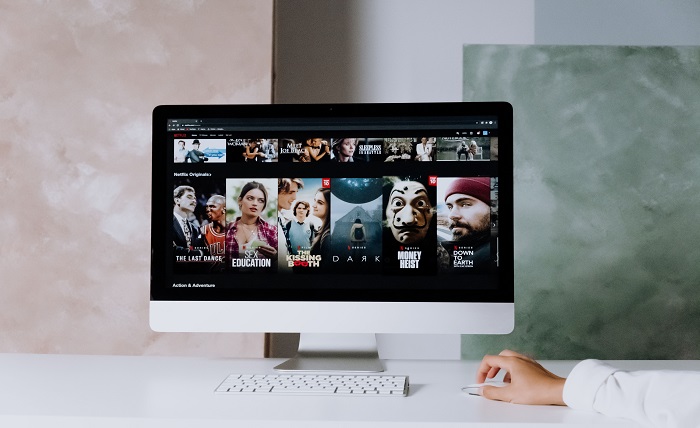
The expanding reach of digital entertainment across India is transforming the way people consume content, connect with stories, and spend their leisure time. Affordable smartphones, faster internet access, and the growing popularity of streaming sites drive this change. As a result, entertainment is no longer limited to traditional television, cinema halls, or urban audiences. Another thing is that you don’t need to physically visit a casino venue since there are many online casino websites on the internet. Even if you happen to be living in a small town or countryside, you can still access many forms of entertainment available online. You can access movies, web shows, songs, games, and short videos in several regional languages. The digital wave has also brought along various prospects for independent filmmakers, local artists, and new talents to reach out to people outside their geographical territories. Technology also keeps advancing. Consequently, the digital entertainment scene in India is increasingly becoming different, interactive, and accessible as well. It is a reflection of the lifestyle changes as well as the demand for convenience.
How the Industry is Growing in Terms of Users, Revenue, and Platform Diversity
India’s digital entertainment industry is experiencing rapid growth in both audience size and economic value. It is driven by affordable smartphones, expanding internet access, and increasing demand for on-demand content. With modern entertainment, users can become active participants and influence storylines. This further increases the number of users consuming content. Since you no longer have to wait for scheduled programming and TV, you can instantly enjoy entertainment. You can enjoy streaming videos, music, online gaming, podcasts, and short-form content. Such services are very popular even with the youth generation and consumers from smaller towns and cities. With the growth of the consumer base, profits are made via subscriptions, advertisements, online sales, and collaborations. These components provide new avenues for the creators and businesses. On the other hand, the industry is also becoming more versatile. OTT platforms, music applications, gaming platforms, social networking websites, and community channels are popular. All of these competing platforms offer many options to choose from.
The Environmental and Social Footprint of India’s Digital Entertainment Sector
India’s digital entertainment industry creates huge social and economic opportunities. However, it also creates an increasing environmental and social impact. Increased usage of smartphones, data centres, streaming platforms, and telecommunication infrastructure requires massive electricity and electronic infrastructure. It leads to energy consumption and electronic waste. Simultaneously, digital entertainment has brought about the increased accessibility of content. This has opened up new possibilities for regional and diverse voices to reach audiences around the world.
Common Concerns
However, there are also several issues associated with the use of digital entertainment platforms, such as screen time, online misinformation, privacy issues, digital addiction, and lack of equal internet access for everyone. With growth in the industry, there should always be a balance between technological advancement and consumption, digital inclusion, privacy and security, as well as environmental sustainability. This is necessary in order to make sure that the growth brings no additional cost to society.
What Responsible Growth Looks Like for India’s Online Entertainment Industry
Responsible growth within India’s online entertainment industry means growing in terms of innovation and accessibility, but also ensuring the safety of individuals, society, and the environment. This can be achieved through improvements in data protection and safety, increased content management transparency, and lower energy consumption. Responsible development requires offering all people living in distant regions an equal chance, as well as ensuring diversity and inclusiveness of content. It also includes not allowing any users living in rural areas to be excluded from the digital economy. On the other hand, increased awareness about the right screen behaviour and digital consumption can solve the issue of overuse. Through the integration of technological advancement, ethical business conduct, environmental awareness, and social inclusion, the Indian digital entertainment industry can create a sustainable future for itself as well as for its consumers.
How Indian Users Can Engage with Digital Entertainment Sustainably
Users from India can also help in the development of digital entertainment as well. You can help by making small yet significant modifications to your online life. Some examples include using energy-efficient devices, not making frequent upgrades to your devices, lowering the unnecessary quality of streams, and using Wi-Fi and downloads effectively. This can contribute to reduced energy usage and e-waste. There is also the option of supporting platforms and individuals who create content in an ethical manner, respect privacy, and use eco-friendly practices. It is also important to properly recycle or dispose of old smartphones, laptops, and other electronic devices. This will reduce e-waste. Most importantly, mindful screen use and avoiding unnecessary digital consumption can also benefit your personal well-being and the environment. If most Indian users make these small changes together, everyday digital habits can contribute to a more sustainable and responsible entertainment industry.
Conclusion
To sum up, the Indian entertainment sector is growing in such an astonishing way that it is offering increased accessibility, convenience, creativity, and opportunities for doing business. However, there are several environmental and societal concerns arising due to the development, which include increased energy consumption, e-waste production, too much screen-time consumption, and privacy concerns. Sustainable growth requires shared responsibility among platforms, creators, businesses, policymakers, and consumers.