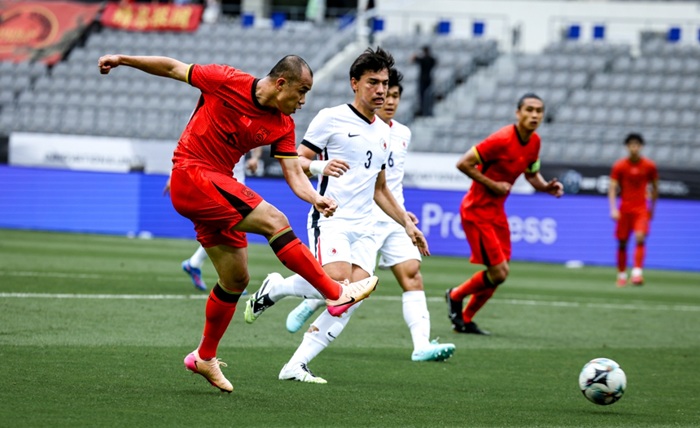
Rising Power of Asian Football on the Global Stage
Asian football has grown into something far more competitive and exciting than it used to be. Teams from the continent are no longer just participating in international tournaments; they are actively challenging traditional football powers from Europe and South America. Fans now follow Asian squads with real interest because the level of skill, organization, and tactical awareness has improved so much in recent years. Even online platforms like 789bet link mới often reflect this growing attention, as more fans track matches and predictions involving Asian teams.
Why Asian teams are gaining attention
- Improved youth development systems across major football nations
- More players moving to top European leagues
- Better tactical coaching and international exposure
- Stronger domestic leagues in countries like Japan and South Korea
Japan, South Korea, Iran, Saudi Arabia, and Australia are leading this transformation. Each team brings a different style, which makes Asian football unpredictable and worth watching. This mix of discipline, speed, and physical strength has helped Asian teams close the gap with global football elites.
Japan National Team: Technical Precision and Discipline
Japan remains one of the most consistent and well-organized teams in Asian football. Their playing style is built on technical control, quick passing, and high discipline. They rarely lose structure during matches, which makes them difficult to break down even for stronger opponents. Over the years, Japan has produced players who compete successfully in top European leagues, and that experience shows in their international performances.
Key strengths of Japan
- Fast, short-passing combinations in midfield
- High tactical discipline and positioning
- Strong youth development programs
- Experience from players in Europe’s top leagues
Japan’s football identity is rooted in patience and precision. They don’t rely on physical dominance but instead focus on controlling the rhythm of the game. This makes them especially dangerous in tournaments where consistency matters more than flashy performances.
South Korea: High Intensity and Tactical Growth
South Korea has built a reputation for relentless energy and commitment on the pitch. The team plays with high intensity from the first minute, often pressing opponents aggressively and forcing mistakes. Over time, South Korea has also improved its tactical awareness, blending physical endurance with smarter game management.
Core features of South Korea’s style
- Aggressive pressing and quick transitions
- Strong teamwork and collective discipline
- World-class attacking talents emerging regularly
- High fitness levels allowing sustained pressure
South Korea’s success is also driven by players who compete in Europe, especially in the Premier League and Bundesliga. This exposure helps them adapt quickly to different playing styles. Their matches are often fast-paced and emotionally charged, making them one of the most entertaining Asian teams to watch.
Iran: Defensive Strength and Physical Presence
Iran is known for its solid defensive structure and physical approach to the game. The team is often difficult to break down, especially in competitive matches where organization matters more than flair. Iran’s players are strong, disciplined, and comfortable playing under pressure.
What makes Iran competitive
- Compact defensive formations
- Strong aerial ability in both boxes
- Experienced players with international exposure
- Effective counter-attacking strategy
Iran’s approach is not always flashy, but it is highly effective. They often rely on quick transitions and set pieces to create scoring opportunities. This disciplined structure has helped them remain one of the top-performing teams in Asia for many years.
Saudi Arabia: Rapid Progress in Asian Football
Saudi Arabia has made significant progress in recent years, especially in developing its domestic league and improving international competitiveness. The national team has become more confident on the ball and is now capable of challenging stronger opponents in major tournaments.
Saudi Arabia’s football development highlights
- Improved technical skills across the squad
- Strong domestic league attracting international talent
- Better tactical awareness in international matches
- Increased investment in youth development programs
The team’s growth is not accidental. It comes from long-term planning and investment in football infrastructure. Saudi Arabia now plays a more balanced style, combining possession-based football with quick attacking transitions.
Australia: Physical Dominance and Consistency
Australia brings a different dimension to Asian football with its physical strength and direct style of play. The team is known for its endurance, aerial dominance, and ability to compete in high-pressure matches. Even when facing technically stronger opponents, Australia relies on structure and physicality to stay competitive. Many fans checking football updates also use platforms like 789bet dang nhap to follow international fixtures and team performances more closely.
Key characteristics of Australia’s playstyle
- Strong physical presence in midfield and defense
- Direct attacking approach with quick forward passes
- High work rate across all positions
- Experience from competing in multiple World Cups
Australia’s consistency in qualifying for major tournaments highlights its stability as a football nation. While not always the most technically dominant, the team’s discipline and resilience make it a tough opponent for anyone.
Emerging Asian Teams Changing the Competitive Landscape
Beyond the traditional powerhouses, several emerging Asian teams are beginning to make their mark. Countries like Qatar and Uzbekistan are investing heavily in football development and producing more competitive squads. These teams are slowly closing the gap with the established giants of Asian football.
Rising forces in Asian football
- Qatar’s structured development after hosting major tournaments
- Uzbekistan’s growing pool of young talent
- Improved coaching standards across Central Asia
- Increased international match experience for younger players
These emerging teams bring unpredictability to Asian competitions. Their progress shows that the region’s football growth is not limited to a few countries but is expanding across multiple nations. This makes international tournaments more balanced and competitive than ever before.
Tactical Evolution and Future Potential of Asian Football Teams
Asian football is no longer defined by one style or one dominant nation. Instead, it has become a mix of technical, physical, and tactical approaches that continue to evolve. Teams are learning from global football trends and adapting them to their own strengths, which is raising the overall standard of play across the continent.
Factors shaping the future of Asian football
- Expansion of professional leagues across Asia
- Greater investment in coaching education
- More players gaining experience abroad
- Stronger youth academies producing skilled talent
The future looks promising as Asian teams continue to challenge global expectations. Their performances in international competitions are becoming more consistent, and their tactical understanding is improving every year. This evolution ensures that Asian football will remain competitive on the world stage for a long time.
Conclusion: Best Asian Football Teams to Watch in International Football Today and Why Asia Is Becoming a Global Football Powerhouse
Asian football has entered a new era where teams are no longer outsiders but real competitors in international football. Japan leads with discipline and technical excellence, South Korea brings intensity and energy, Iran offers defensive strength, Saudi Arabia shows rapid progress, and Australia adds physical consistency. At the same time, emerging nations like Qatar and Uzbekistan are reshaping expectations and adding depth to the region.
What makes Asian football especially interesting today is its diversity. Each team has its own identity, and that variety creates unpredictable and exciting matches. As development continues, these teams will not only compete but also influence global football trends in the years ahead.